
Understanding what ketones do and keeping track of ketone levels is especially important if you have diabetes — Type 1 diabetes, in particular. Type 1 diabetes is a condition that prevents your body from making insulin. Insulin is the hormone that helps your body use glucose for energy. Alcoholic Ketoacidosis develops primarily as a result of excessive alcohol consumption and inadequate food intake. When individuals indulge in heavy drinking, it leads to a cascade of physiological changes in the body, creating a perfect storm for alcoholic ketosis.
How can I prevent alcoholic ketoacidosis?

Treatment approaches will depend on the specific diagnosis derived from these investigations, allowing healthcare providers to deliver tailored care. Diagnosis typically involves laboratory tests, including arterial blood gas (ABG) measurement and serum chemistry assays, to confirm the presence of ketones and the degree of acidosis. Patients with AKA require prompt medical attention to address the underlying metabolic disturbances and prevent further complications. The identification of these signs and symptoms is critical in diagnosing AKA, as they often point healthcare providers towards the condition in conjunction with a patient’s alcohol use history.
What Causes Alcoholic Ketoacidosis (Alcohol and Ketoacids)?
When someone first goes to the hospital with potential AKA, their blood sugar level is checked first. After that, the main part of treatment is giving fluids to rehydrate. Before giving any sugar, however, it’s vital to give thiamine to prevent Wernicke’s encephalopathy, a severe neurological condition.
BOX 3 MANAGEMENT OF AKA
- This buildup of ketones can produce a life-threatening condition known as ketoacidosis.
- The increase in breathing rate can be attributed to the imbalance of acid in the body, dehydration, withdrawal from alcohol, and abdominal pain.
To get the energy you need, your body will start to burn fat. Intravenous benzodiazepines can be administered based on the risk of seizures from impending alcohol withdrawal. Antiemetics, such as ondansetron or metoclopramide, may also be administered to control alcoholic ketoacidosis nausea and vomiting.
Common Clinical Pitfalls
- Group meetings provide support for people trying to quit drinking.
- When you drink alcohol, your pancreas may stop producing insulin for a short time.
- If they can’t use glucose because there’s not enough insulin, your body switches to another method to get energy — breaking down fat cells.
- One complication of alcoholic ketoacidosis is alcohol withdrawal.
Decreased insulin and elevated glucagon, cortisol, catecholamine, and growth hormone levels can increase the rate of ketogenesis. During starvation, there is a decrease in insulin secretion and an increase in the production of counter-regulatory hormones such as glucagon, catecholamines, cortisol, and growth hormone. Hormone-sensitive lipase is normally inhibited by insulin, and, when insulin levels fall, lipolysis is up-regulated, causing release of free fatty acids from peripheral adipose tissue.
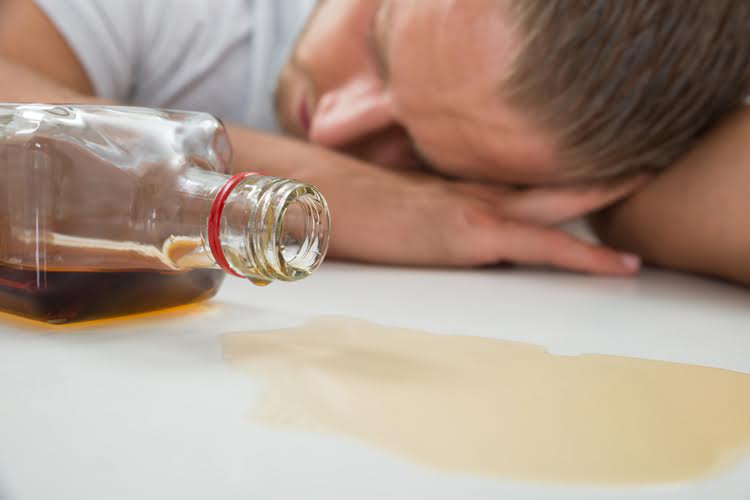
But it can happen after an episode of binge drinking in people who do not chronically abuse alcohol. Alcoholic ketoacidosis doesn’t occur more often in any particular race or https://ibeauty.media/archives/214431 sex. If you have symptoms of alcoholic ketoacidosis, your doctor will perform a physical examination. They will also ask about your health history and alcohol consumption.
Intravenous benzodiazepines may be given if there’s a risk of seizures due to impending alcohol withdrawal. Other medications like ondansetron or metoclopramide may be given to relieve nausea and vomiting. In an arterial blood gas or ABG analysis, your blood might show a pH that’s low or normal.
Generally, the physical findings relate to volume depletion and chronic alcohol abuse. Typical characteristics of the latter may include rhinophyma, tremulousness, hepatosplenomegaly, peripheral neuropathy, gynecomastia, testicular atrophy, and palmar erythema. The patient might be tachycardic, tachypneic, profoundly orthostatic, or frankly hypotensive as a result of dehydration from decreased oral intake, diaphoresis, and vomiting. SGLT2 inhibitors can be used with other diabetes medications like metformin or GLP-1 agonists. But it alcoholism treatment can be unsafe to take SGLT2 inhibitors with insulin or sulfonylureas.